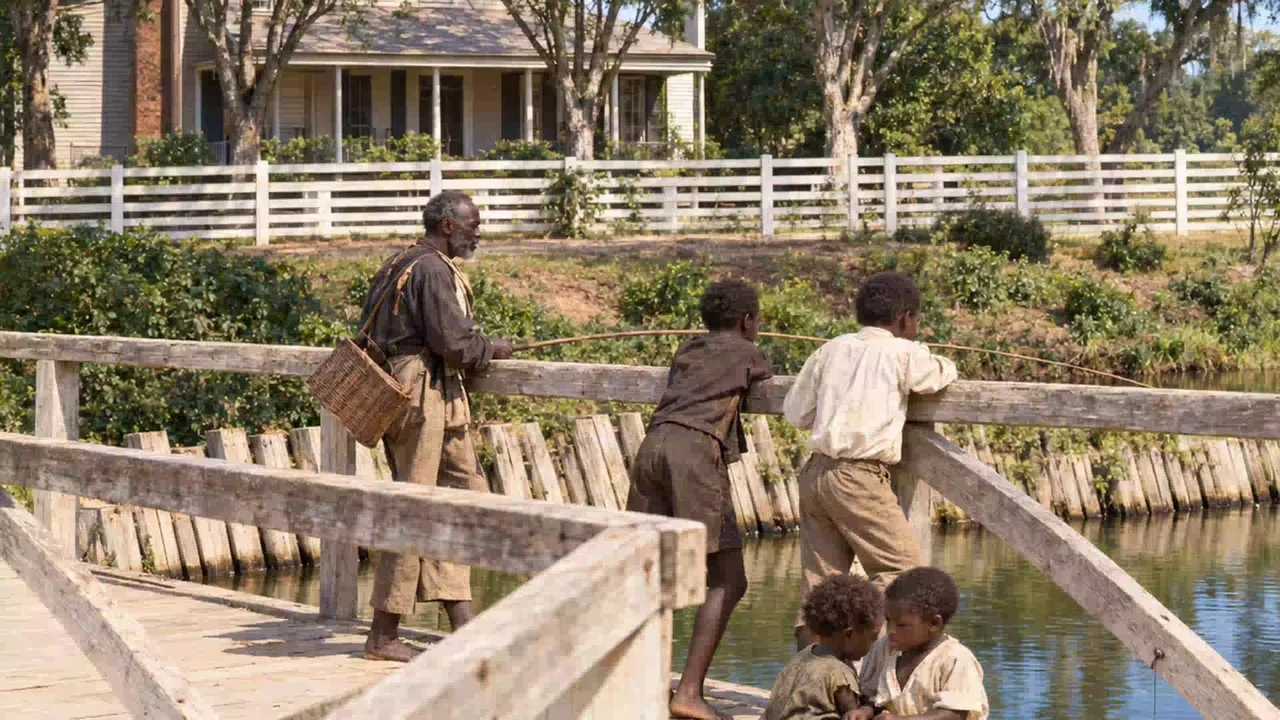
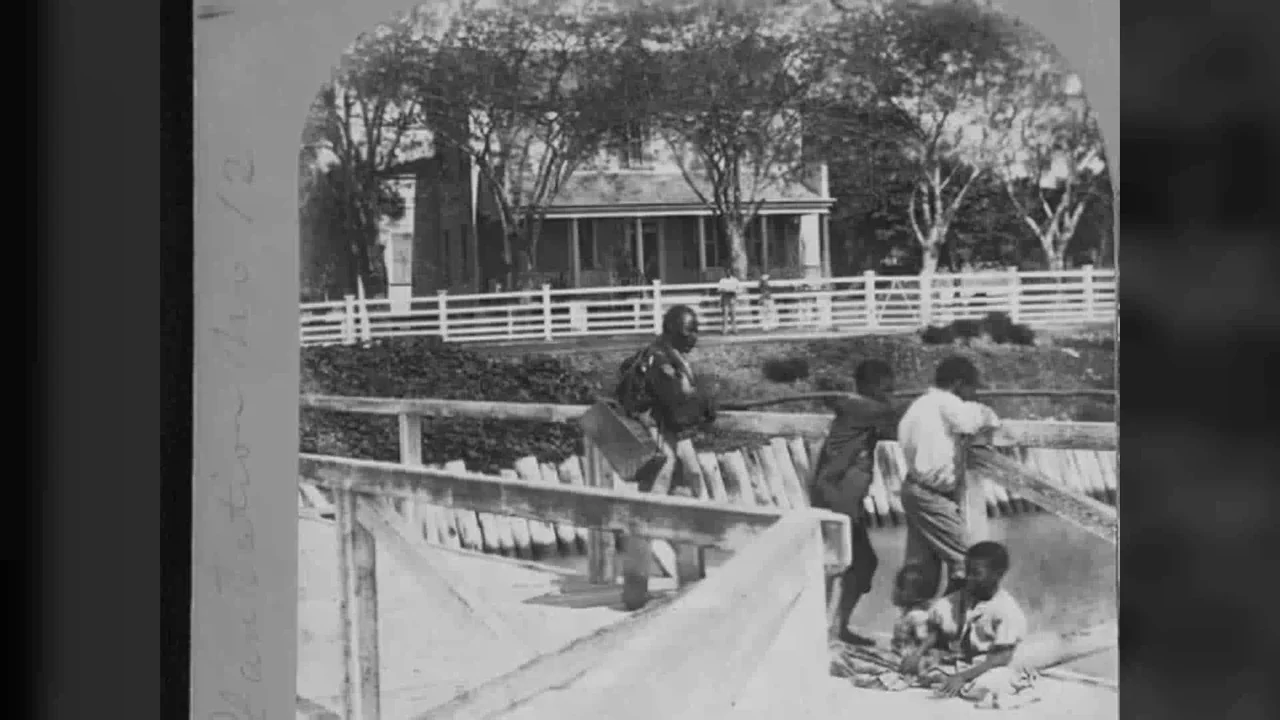
Old Bacchus at Rockville Plantation
A quiet fishing scene photographed only weeks before South Carolina seceded from the Union.
The same photograph. A deeper story. Through careful research and modern technology, we can see not just what happened, but how it might have looked.
We start with authentic historical photographs.
We carefully clean and preserve the image.
We study the time, place and details.
We bring the scene to life based on historical evidence.
A quiet fishing scene photographed only weeks before South Carolina seceded from the Union.
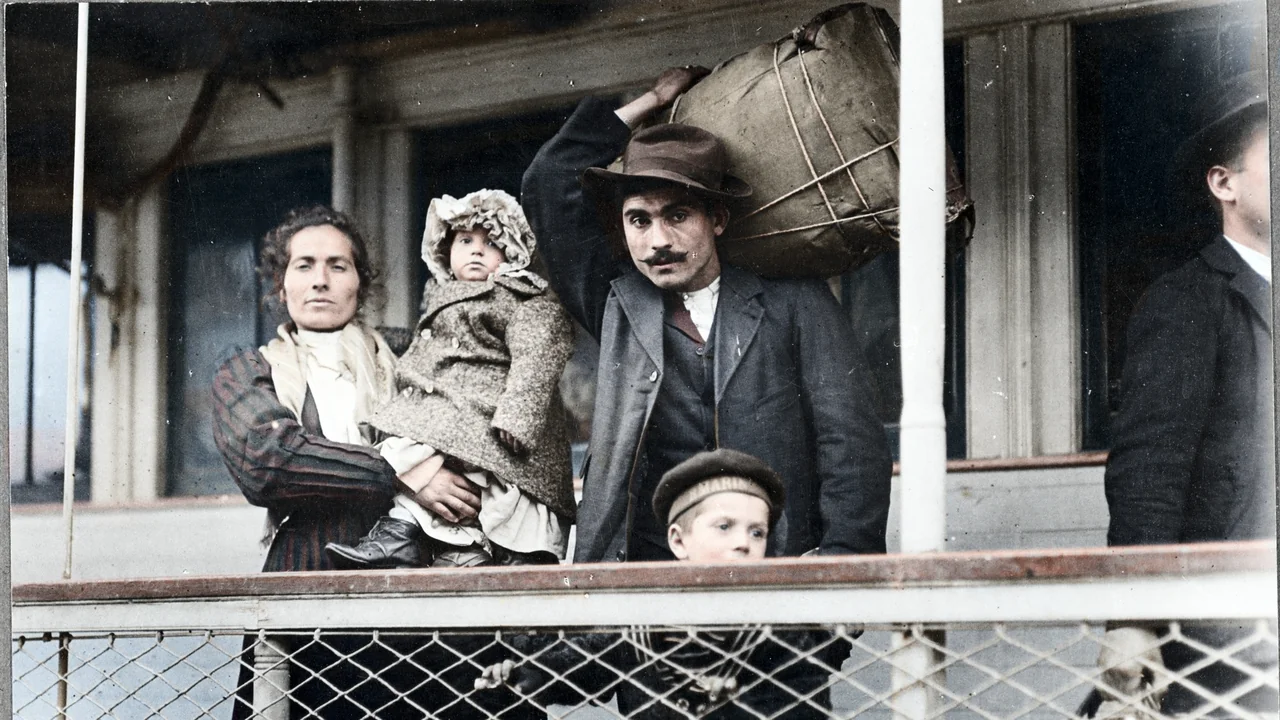
Lewis Hine photographed an Italian immigrant family at the moment after arrival became departure into a new country.
A forthcoming series pairing archival scenes with the places they became.
Every master story can become a full YouTube episode while the website remains the deeper editorial record: images, provenance, sources, notes, and reconstruction decisions.
Old family photographs, local archives, and unique collections can be restored with restraint and, when requested, reconstructed in color with clear disclosure of interpretation.
“The past was never black and white.”
Colors of History
New stories, newly discovered images, restoration notes, and behind-the-scenes research decisions.
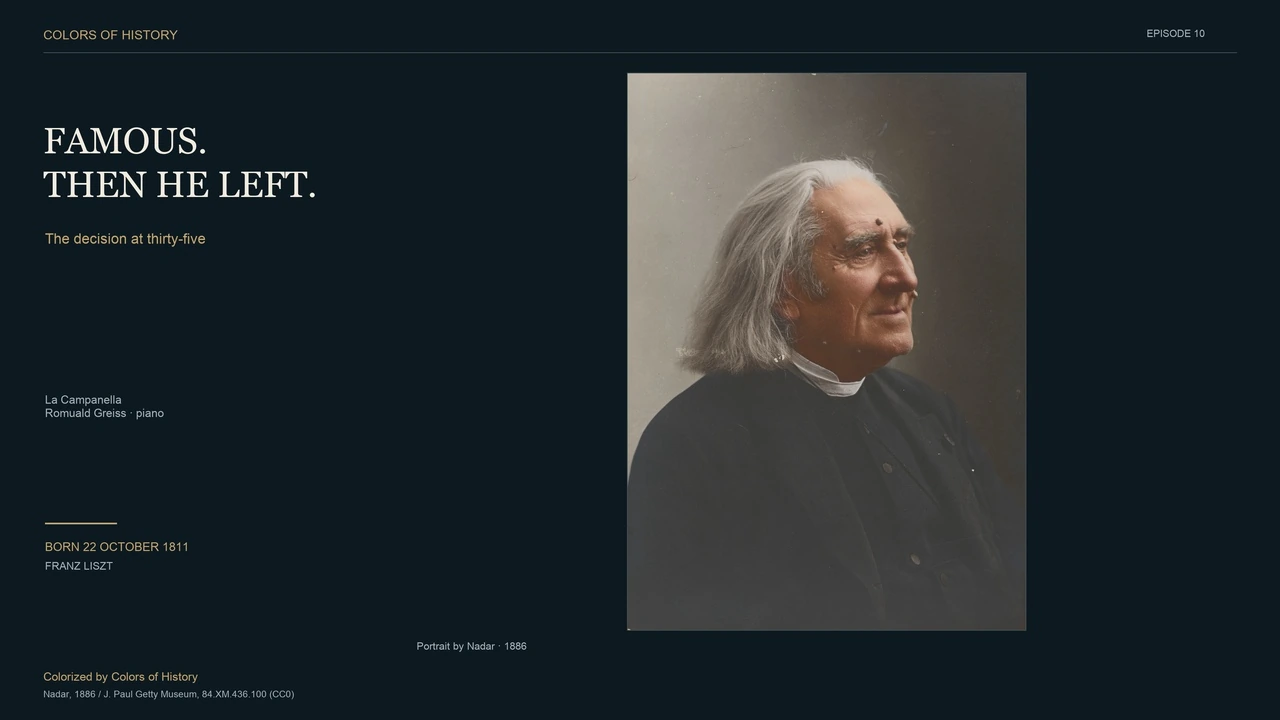
Liszt became an international star before recorded music. In 1847, at thirty-five, he left professional touring for a different musical life in composing and teaching. He did not stop playing.
Colorized by Colors of History
Photographs: Franz Hanfstaengl, 1858 / Wikimedia Commons; photographer unknown, 1885 / University of Trier via Wikimedia Commons; Nadar, 1886 / J. Paul Getty Museum, 84.XM.436.100, CC0. Film music: Liszt’s La Campanella, Romuald Greiss, piano, recorded 2000; performer’s public-domain release, excerpted, faded and mixed.
The episode cover is an editorial color interpretation; the original photograph is the historical evidence.
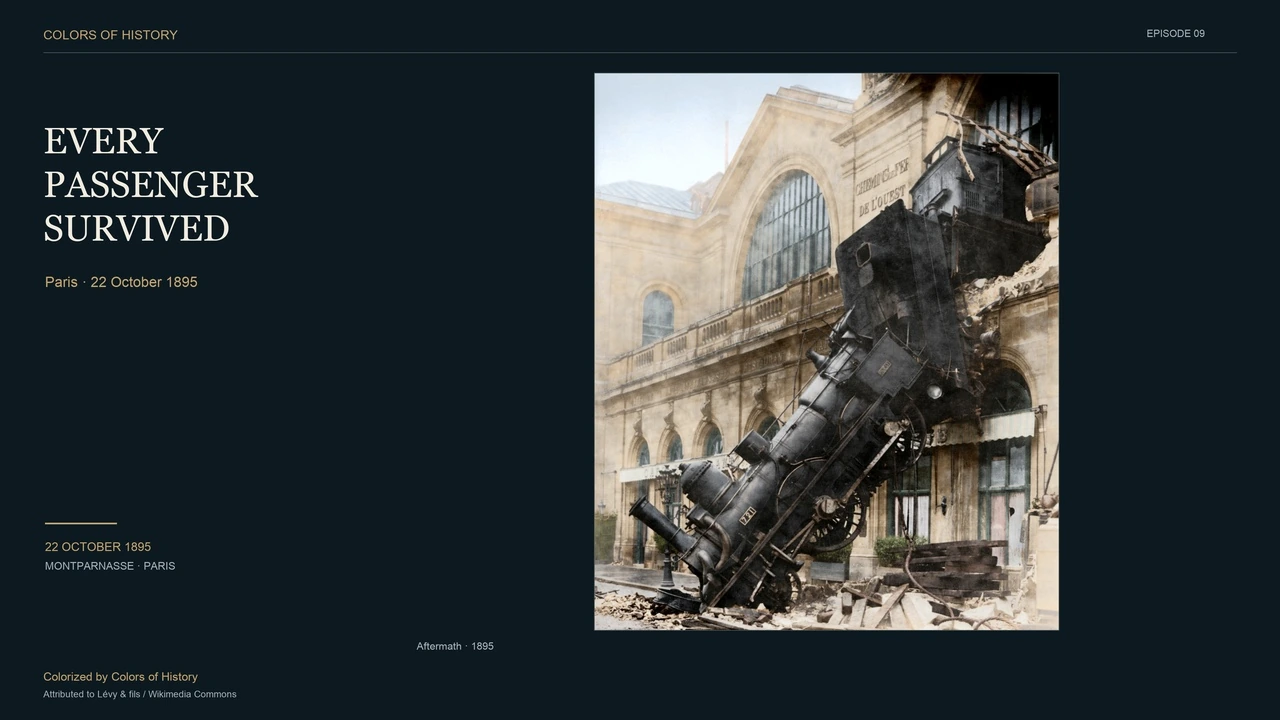
Every passenger survived the Montparnasse crash of 1895. The only person killed was selling newspapers outside the station. This story follows the arrival that would not stop and the human life beyond the famous photograph.
Colorized by Colors of History
Historical photographs: attributed to Lévy & fils, photographer uncertain, and photographer unknown / Wikimedia Commons. Attribution uncertainty is preserved; color interpretations are not original color records.
The episode cover is an editorial color interpretation; the original photograph is the historical evidence.
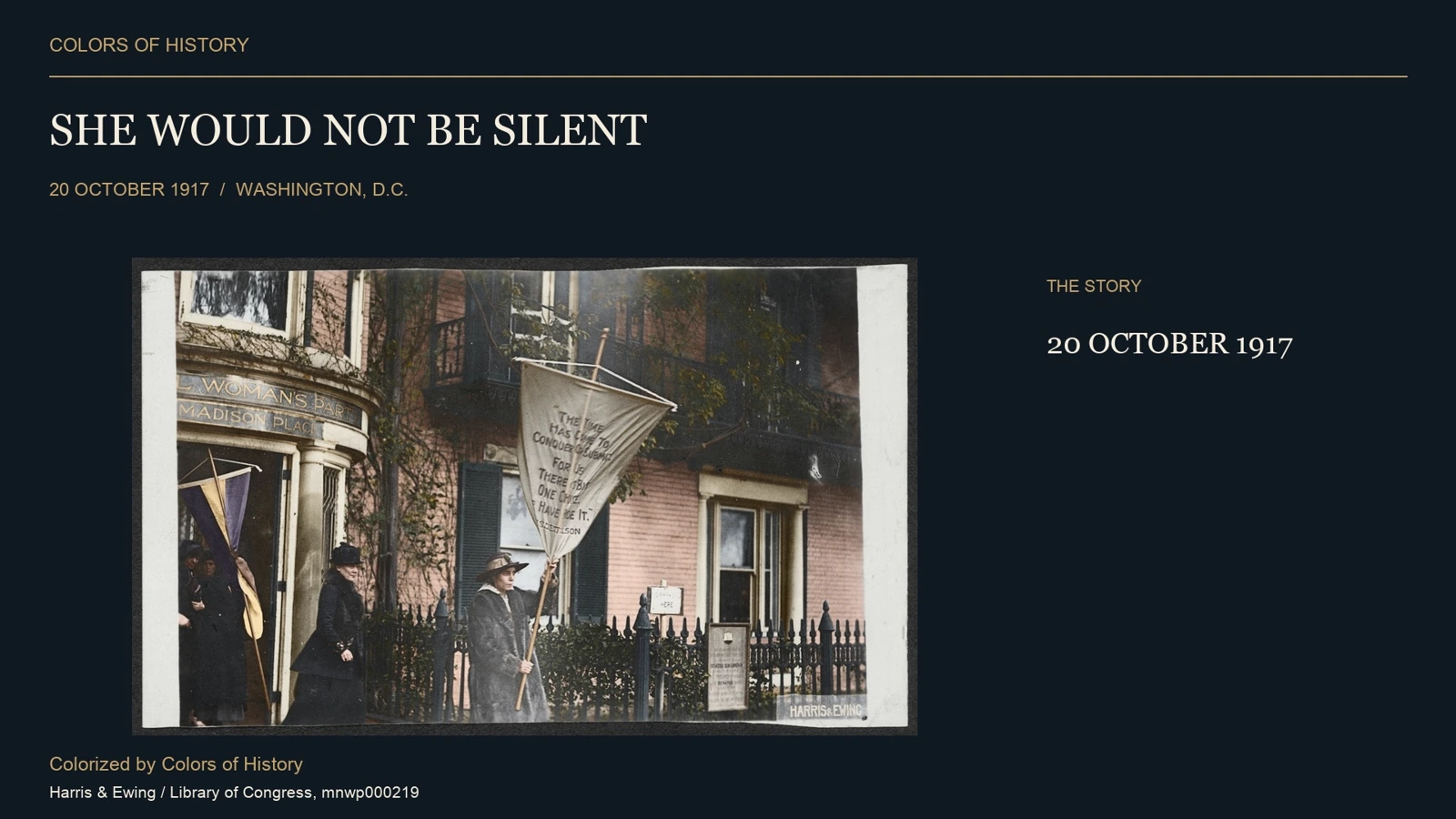
A Harris & Ewing photograph of a National Woman’s Party picket line opens a story of protest, imprisonment and the struggle for women’s suffrage. The film also recognizes that the Nineteenth Amendment did not end racial exclusion from voting.
Colorized by Colors of History
Original photograph: Harris & Ewing / Library of Congress, Women of Protest collection, mnwp000219, catalog date [October 20, 1917]. Collection rights statement applies; no blanket permission grant is claimed.
The episode cover is an editorial color interpretation; the original photograph is the historical evidence.